
 Librerías
 Imprescindibles 
Más vendidos Libros más vendidos eBooks más vendidos Categorías más vendidas Libros más buscados Todos los libros Todos los libros Autores destacados Nuestros catálogos Series y sagas Blog
Recomendados Libros recomendados Clásicos imprescindibles Libros que inspiran Mens sana in corpore sano Booktokers Pelis y series Actualidad Premios
Novedades Novedades libros Novedades infantiles Novedades ebooks Próximos lanzamientos libros Próximos lanzamientos eBooks
Promociones Sorteos Libros desde 2,95€ eBooks hasta 80% descuento Ediciones especiales Libros firmados
Libros Semana Santa
Reserva un hueco en tu maleta para la lectura
Ficción 
Literatura Contemporánea Libros de bolsillo Clásicos Poesía Teatro Cuentos Literatura en otros idiomas Estudios literarios
Géneros literarios Novela romántica y erótica Novela negra Novela histórica Narrativa fantástica Novela de ciencia ficción Novela de terror Narrativa de humor Narrativa de viajes
Imprescindibles de ficción Novedades de ficción Los más leídos de ficción Recomendados de ficción Autores destacados David Uclés Sarah J. Maas Brandon Sanderson Sagas literarias La asistenta La saga de los longevos Saga Powerless
Autor del mes
Descubre todos sus libros

No Ficción
Ciencias y tecnología Biología Ciencias Ciencias naturales Divulgación científica Informática Ingeniería Matemáticas Medicina Salud y dietas Filología Biblioteconomía Estudios filológicos Estudios lingüísticos Estudios literarios Historia y crítica de la Literatura
Humanidades Autoayuda y espiritualidad Ciencias humanas Derecho Economía y Empresa Psicología y Pedagogía Filosofía Sociología Historia Arqueología Biografías Historia de España Historia local de España Historia Universal Historia por países
Arte Arquitectura Cine Diseño y moda Fotografía Historia del arte Música Pintores y escultores Estilo de vida Libros de Cocina Guías de viaje Narrativa de viajes Deportes Libros de Juegos Manualidades


Infantil 
Infantil Infantil de 0 a 2 años Infantil de 3 a 4 años Infantil de 5 a 6 años Infantil de 7 a 9 años Infantil de 10 a 12 años Infantil en otros idiomas Libros infantiles en inglés Libros infantiles en francés
Cómic y manga infantil Cómic infantil Manga infantil - Kodomo Papelería y regalo infantil Juegos educativos Juegos clásicos Juegos de cartas Djeco Puzzles Se habla de... Dejar el pañal Aprender a leer Mitología Cambio climático El universo
Imprescindibles infantiles Los más vendidos Recomendados Novedades Series infantiles Personajes Ovejita que vino a cenar Magic animals Cazamisterios Secreto de bruja Me llamo Goa Enzo Brown Crónicas de Narnia
Serie del mes
Aprende a leer con Escuela de monstruos
Juvenil
#JóvenesLectores Narrativa juvenil Clásicos adaptados Libros Wattpad Libros Booktok Libros de influencers Libros de Youtubers Libros Spicy juveniles Libros LGTBIQ+ Temas sociales Libros ciencia ficción Libros de acción y aventura Cómic y Manga Juvenil Cómic Juvenil Manga Shonen Manga Shojo
Libros de fantasía Cozy Fantasy Dark academia Hadas y Fae Romantasy Royal Fantasy Urban Fantasy Vampiros y hombres lobo Otros Misterio y terror Cozy Mistery Policiaca Spooky Terror Thriller y suspense Otros
Libros románticos y de amor Dark Romance Clean Romance Cowboy Romance Mafia y amor Romance dramatico Romcom Sport Romance Otros Clichés Enemies to Lovers Friends to Lovers Hermanastros Slow Burn Fake Dating Triángulo amoroso

Cómic y Manga 
Novela gráfica Novela gráfica americana Novela gráfica europea Novela gráfica de otros países Personajes, series y sagas Series y sagas Superhéroes Cómics DC Cómics Marvel Cómics otros superhéroes
Cómics Libros de ilustración Cómic de humor Cómic erótico Historia y técnica Cómic infantil y juvenil Cómic infantil Cómic juvenil Juegos y merchandising Libros de juegos de rol Juegos Figuras
Dragon ball
¡La aventura te espera! Completa tu colección de Dragon Ball

Books in English 
Books in English Fiction Non Fiction Comic Teen & Young Adult Main Authors Ken Follett Agatha Christie Stephen King Jane Austen Maggie O’Farrell
Books in English for Young Adults Age 13+ Age 15+ Young Adult Authors Rebecca Yarros Sarah J. Maas Brandon Sanderson Ali Hazelwood Alice Oseman
Books in English for Kids Age 0-2 Age 3-4 Age 5-6 Age 7-9 Age 10-12 eBooks Fiction Non Fiction On sale
Mate
The global bestseller and TikTok sensation


Llibres en català 
Llibres en català Més venuts Recomanats Novetats Categories principals Literatura Història C. humanes Autoajuda Juvenil
Infantils 0-2 any 3-4 anys 5-6 anys 7-9 anys 10-12 anys Recomanats infantils Llibres de text Lectures precriptives
eBooks Novetats Autors Albert Sánchez Piñol Regina Rodríguez Sirvent Sílvia Soler Gil Pratsobrerroca Editorial del mes Barcanova Ofertes
Premis en català
No et perdis els millors premis

eBooks/Audiolibros 
Literatura en eBook Contemporánea Narrativa fantástica Novela de ciencia ficción Novela de terror Novela histórica Novela negra Novela romántica y erótica Literatura en otros idiomas Juvenil en eBook Fantasía y magia Romance y amor Misterio y terror Temas sociales Infantil en eBook eBooks infantiles
Ciencia y tecnología en eBook Ciencias naturales Divulgación científica Medicina Salud y dietas Filología en eBook Humanidades en eBook Autoayuda y espiritualidad Ciencias humanas Política Derecho Economía y Empresa Historia en eBook Arte en eBook Estilo de vida en eBook Cocina
Imprescindibles en eBook Más vendidos Recomendados Novedades Ediciones especiales Promociones Más buscados Próximos lanzamientos eReader Vivlio Vivlio Light HD Color Vivlio Light 6 HD Vivlio Light 6 Vivlio Inkpad 4 Cómo leer un eBook Apps Casa del Libro App Casa del Libro
Disfruta los audiolibros 🎧
Los mejores audiolibros en Casa del Libro


Papelería 
Agendas y calendarios Agendas escolares Agendas 2026 Calendarios 2026 Juegos y puzles Juegos de mesa Juegos de cartas Juegos clásicos Juegos educativos Juegos experto Manualidades Puzles Bolsas y Tote bag Bolsas de tela Bolsas Casa del Libro
Accesorios de escritorio Cuadernos y libretas Material de escritura Bolígrafos borrables Estuches Carpetas Postales Papel de regalo Otros Merchandising Figuras Menaje Papelería Mr. Wonderful Tantanfan
Accesorios de lectura Marcapáginas Lámparas de lectura Fundas de libros Atriles Gafas Otros Regalos Regalos de literatura Tarjeta regalo eReader Vivlio Vivlio Light HD Color Vivlio Light 6 HD Vivlio Light 6 Vivlio Inkpad 4 Cómo leer un eBook
Elige tu eReader Vivlio
Descubre nuestra colección de eReaders


Johanna Hedva
Recibe novedades de Johanna Hedva directamente en tu email
Filtros
Del 1 al 3 de 3
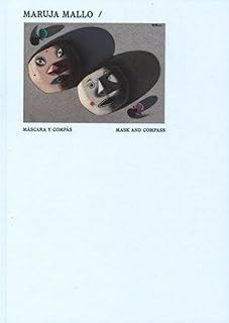
MUSEO NACIONAL CENTRO DE ARTE REINA 9788480266703
Maruja Mallo. Máscara y compás: Catálogo bilingüe de la exposición sobre Maruja Mallo en el Museo Reina Sofía. Recoge su trayectoria artística y su influencia en el arte contemporáneo.
Ver más
Tapa blanda

And Other Stories 9781913505677
At an otherwise forgettable party in Los Angeles, a queer Korean American painter spots a woman who instantly controls the room: gorgeous and distant and utterly white, the centre of everyones attention. Haunted into adulthood by her Korean fathers abandonment of his family, as well as the spectre of her beguiling, abusive white mother, the painter finds herself caught in a perfect trap. She wants Hanne, or wants to be her, or to sully her, or destroy her, or consume her, or some confusion of all the above. Since shes an artist, she will use art to get closer to Hanne, beginning a series of paintings with her new muse as model. As for Hanne, what does she want? Her whiteness seems sometimes as cruel as a new sheet of paper.When the paintings of Hanne become a hit, resulting in the artists first sold-out show, she resolves to bring her new muse with her to Berlin, to continue their work, and her seduction. But, just when the painter is on the verge of her long sought-after breakthrough, a petition started by a Black performance artist begins making the rounds in the art community, calling for the boycott of major museums and art galleries for their imperialist and racist practices.Torn between her desire to support the petition, to be a success, and to possess Hanne, the painter and her reality become more unstable and disorienting, unwilling to cut loose any one of her warring ambitions, yet unable to accommodate them all. Is it any wonder so many artists self-destruct so spectacularly? Is it perhaps just a bit exciting to think she could too?Your Love Is Not Good stuffs queer explosive into the cracks between identity and aspiration, between desire and art, and revels in the raining debris.
Ver más
eBook
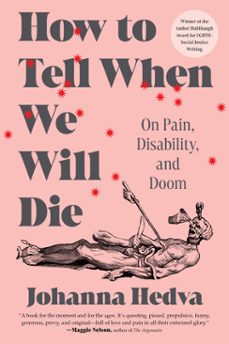
Hillman Grad Books 9781638931171
A book for the moment and for the ages. Its questing, pissed, propulsive, funny, generous, pervy, and originalfull of love and pain in all their entwined glory. Maggie Nelson, author of The ArgonautsWINNER OF THE AMBER HOLLIBAUGH AWARD FOR LGBTQ+ SOCIAL JUSTICE WRITINGThe long-awaited essay collection from one of the most influential voices in disability activism that detonates a bomb in our collective understanding of care and illness, showing us that sickness is a fact of life.In the wake of the 2014 Ferguson riots, and sick with a chronic condition that rendered them housebound, Johanna Hedva turned to the page to ask: How do you throw a brick through the window of a bank if you cant get out of bed? It was not long before this essay, Sick Woman Theory, became a seminal work on disability, because in reframing illness as not just a biological experience but a social one, Hedva argues that under capitalisma system that limits our worth to the productivity of our bodieswe must reach for the revolutionary act of caring for ourselves and others.How to Tell When We Will Die expands upon Hedvas paradigm-shifting perspective in a series of slyly subversive and razor-sharp essays that range from the theoretical to the personalfrom Deborah Levy and Susan Sontag to wrestling, kink, mysticism, death, and the color yellow. Drawing from their experiences with Americas byzantine healthcare system, and considering archetypes they call The Psychotic Woman, The Freak, and The Hag in Charge, Hedva offers a bracing indictment of the politics that exploit sicknessrelying on and fueling ableismto the detriment of us all.With the insight of Anne Boyers The Undying and Leslie Jamisons The Empathy Exams, and the wit of Samantha Irby, Hedvas debut collection upends our collective understanding of disability. In their radical reimagining of a world where care and pain are symbiotic, and our bodies are allowed to live free and well, Hedva implores us to remember that illness is neither an inconvenience or inevitability, but an enlivening and elemental part of being alive.
Ver más
eBook
Del 1 al 3 de 3