
 Librerías
 Imprescindibles 
Más vendidos Libros más vendidos eBooks más vendidos Categorías más vendidas Libros más buscados Todos los libros Todos los libros Autores destacados Nuestros catálogos Series y sagas Blog
Recomendados Libros recomendados Libros que inspiran Favoritos de nuestros libreros Booktokers. En redes también se lee Books in English Clásicos imprescindibles Pelis y series Actualidad Premios
Novedades Novedades libros Novedades infantiles Novedades ebooks Próximos lanzamientos libros Próximos lanzamientos eBooks
Promociones Sorteos Libros desde 2,95€ eBooks hasta 80% descuento Ediciones especiales Libros firmados
Lanzamientos del mes
Las novedades más esperadas
Ficción 
Literatura Contemporánea Libros de bolsillo Clásicos Poesía Teatro Cuentos Literatura en otros idiomas Estudios literarios
Géneros literarios Novela romántica y erótica Novela negra Novela histórica Narrativa fantástica Novela de ciencia ficción Novela de terror Narrativa de humor Narrativa de viajes
Imprescindibles de ficción Novedades de ficción Los más leídos de ficción Recomendados de ficción Autores destacados David Uclés Sarah J. Maas Brandon Sanderson Sagas literarias La asistenta La saga de los longevos Saga Powerless
Autora del mes
Descubre todos los libros de Elísabet Benavent



No Ficción
Ciencias y tecnología Biología Ciencias Ciencias naturales Divulgación científica Informática Ingeniería Matemáticas Medicina Salud y dietas Filología Biblioteconomía Estudios filológicos Estudios lingüísticos Estudios literarios Historia y crítica de la Literatura
Humanidades Autoayuda y espiritualidad Ciencias humanas Derecho Economía y Empresa Psicología y Pedagogía Filosofía Sociología Historia Arqueología Biografías Historia de España Historia local de España Historia Universal Historia por países
Arte Arquitectura Cine Diseño y moda Fotografía Historia del arte Música Pintores y escultores Estilo de vida Libros de Cocina Guías de viaje Narrativa de viajes Deportes Libros de Juegos Manualidades



Infantil 
Infantil Infantil de 0 a 2 años Infantil de 3 a 4 años Infantil de 5 a 6 años Infantil de 7 a 9 años Infantil de 10 a 12 años Infantil en otros idiomas Libros infantiles en inglés Libros infantiles en francés
Cómic y manga infantil Cómic infantil Manga infantil - Kodomo Papelería y regalo infantil Juegos educativos Juegos clásicos Juegos de cartas Djeco Puzzles Se habla de... Dejar el pañal Aprender a leer Fútbol Cambio climático El universo
Imprescindibles infantiles Los más vendidos Recomendados Novedades Series infantiles Personajes Ovejita que vino a cenar Magic animals Cazamisterios Secreto de bruja Me llamo Goa Enzo Brown Crónicas de Narnia
Personaje del mes
Las aventuras de Perro Apestoso



Juvenil 
#JóvenesLectores Narrativa juvenil Clásicos adaptados Libros Wattpad Libros Booktok Libros de influencers Libros de Youtubers Libros Spicy juveniles Libros LGTBIQ+ Temas sociales Libros ciencia ficción Libros de acción y aventura Cómic y Manga Juvenil Cómic Juvenil Manga Shonen Manga Shojo
Libros de fantasía Cozy Fantasy Dark academia Hadas y Fae Romantasy Royal Fantasy Urban Fantasy Vampiros y hombres lobo Otros Misterio y terror Cozy Mistery Policiaca Spooky Terror Thriller y suspense Otros
Libros románticos y de amor Dark Romance Clean Romance Cowboy Romance Mafia y amor Romance dramatico Romcom Sport Romance Otros Clichés Enemies to Lovers Friends to Lovers Hermanastros Slow Burn Fake Dating Triángulo amoroso
Imprescindibles Juvenil Los más vendidos Recomendados Novedades Sagas Juveniles Powerless Los chicos Tommen Culpables Twisted Autores destacados Jennifer L. Armentrout Eloy Moreno Nerea Llanes Hannah Nicole Maehrer
Autora juvenil del mes
Descubre todos los libros de Mercedes Ron
Cómic y Manga 
Novela gráfica Novela gráfica americana Novela gráfica europea Novela gráfica de otros países Personajes, series y sagas Series y sagas Superhéroes Cómics DC Cómics Marvel Cómics otros superhéroes
Cómics Libros de ilustración Cómic de humor Cómic erótico Historia y técnica Cómic infantil y juvenil Cómic infantil Cómic juvenil Juegos y merchandising Libros de juegos de rol Juegos Figuras
Dragon ball
¡La aventura te espera! Completa tu colección de Dragon Ball



Books in English 
Books in English Fiction Non Fiction Comic Teen & Young Adult Main Authors Ken Follett Agatha Christie Stephen King Jane Austen Maggie O’Farrell
Books in English for Young Adults Age 13+ Age 15+ Young Adult Authors Rebecca Yarros Sarah J. Maas Brandon Sanderson Ali Hazelwood Alice Oseman
Books in English for Kids Age 0-2 Age 3-4 Age 5-6 Age 7-9 Age 10-12 eBooks Fiction Non Fiction On sale
Mate
The global bestseller and TikTok sensation



Llibres en català 
Llibres en català Més venuts Recomanats Novetats Categories principals Literatura Història C. humanes Autoajuda Juvenil
Infantils 0-2 any 3-4 anys 5-6 anys 7-9 anys 10-12 anys Recomanats infantils Llibres de text Lectures precriptives
eBooks Novetats Autors Albert Sánchez Piñol Regina Rodríguez Sirvent Sílvia Soler Gil Pratsobrerroca Editorial del mes Barcanova Ofertes
Personatge del mes
Descobreix les aventures de Gos Pundet



eBooks/Audiolibros 
Literatura en eBook Contemporánea Narrativa fantástica Novela de ciencia ficción Novela de terror Novela histórica Novela negra Novela romántica y erótica Literatura en otros idiomas Juvenil en eBook Fantasía y magia Romance y amor Misterio y terror Temas sociales Infantil en eBook eBooks infantiles
Ciencia y tecnología en eBook Ciencias naturales Divulgación científica Medicina Salud y dietas Filología en eBook Humanidades en eBook Autoayuda y espiritualidad Ciencias humanas Política Derecho Economía y Empresa Historia en eBook Arte en eBook Estilo de vida en eBook Cocina
Imprescindibles en eBook Más vendidos Recomendados Novedades Ediciones especiales Promociones Más buscados Próximos lanzamientos eReader Vivlio Vivlio Light Zen Vivlio Light HD Color Vivlio Light 6 Vivlio Inkpad 4 Cómo leer un eBook Apps Casa del Libro App Casa del Libro
Disfruta los audiolibros 🎧
Los mejores audiolibros en Casa del Libro



Papelería 
Agendas y calendarios Agendas escolares Agendas 2026 Calendarios 2026 Juegos y puzles Juegos de mesa Juegos de cartas Juegos clásicos Juegos educativos Juegos experto Manualidades Puzles Bolsas y Tote bag Bolsas de tela Bolsas Casa del Libro
Accesorios de escritorio Cuadernos y libretas Material de escritura Bolígrafos borrables Estuches Carpetas Postales Papel de regalo Otros Merchandising Figuras Menaje Papelería Mr. Wonderful Tantanfan
Accesorios de lectura Marcapáginas Lámparas de lectura Fundas de libros Atriles Gafas Otros Regalos Regalos de literatura Tarjeta regalo eReader Vivlio Vivlio Light Zen Vivlio Light HD Color Vivlio Light 6 Vivlio Inkpad 4 Cómo leer un eBook
eReader Light Zen
Lectura digital sin complicaciones



Matthew D. Lieberman
Se doctoró en la Universidad de Harvard y hoy es una de las principales autoridades mundiales en el estudio de la neurociencia cognitiva social, término que acuñó él mismo. Es profesor de Psicología en la Universidad de California, además de editor fundador de la revista Social Cognitive and Affective Neuroscience. En la actualidad, estudia los fundamentos de la amistad, las conversaciones centradas en el conflicto ideológico, las perspectivas que se utilizan para comprender el mundo y los procesos involucrados en el buen desempeño de los equipos.
Recibe novedades de Matthew D. Lieberman directamente en tu email
Filtros
Del 1 al 4 de 4
Capitán Swing Libros 9791399105810
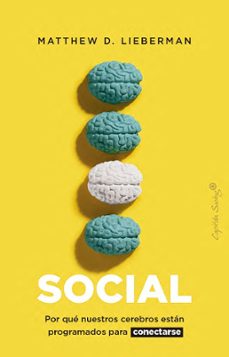
El renombrado psicólogo Matthew D. Lieberman explora investigaciones innovadoras en neurociencia social que revelan que nuestra necesidad de conectarnos con otras personas es aún más fundamental, más basica, que nuestra necesidad de comida o refugio. Lieberman sostiene que la necesidad de acercarnos y conectar con los demas es uno de los principales motores de nuestro comportamiento, y nuevas investigaciones muestran que nuestro cerebro reacciona al dolor y al placer sociales de manera muy similar a como lo hace con el dolor y el placer fisicos. Tenemos una capacidad unica para leer la mente de otras personas, para descubrir sus esperanzas, miedos y motivaciones, lo que nos permite coordinar eficazmente nuestras vidas. Ademas, la percepcion mas intima de quienes somos esta estrechamente relacionada con las personas y los grupos importantes de nuestra vida. Esta conexion suele llevarnos a refrenar nuestros impulsos egoistas por el bien comun. Estos mecanismos dan lugar a comportamientos que pueden parecer irracionales, pero que en realidad son solo el resultado de nuestra profunda conexion social.
Ver más
Tapa blanda
Capitán Swing Libros 9791399105711
El renombrado psicólogo Matthew D. Lieberman explora investigaciones innovadoras en neurociencia social que revelan que nuestra necesidad de conectarnos con otras personas es aún más fundamental, más basica, que nuestra necesidad de comida o refugio. Lieberman sostiene que la necesidad de acercarnos y conectar con los demas es uno de los principales motores de nuestro comportamiento, y nuevas investigaciones muestran que nuestro cerebro reacciona al dolor y al placer sociales de manera muy similar a como lo hace con el dolor y el placer fisicos. Tenemos una capacidad unica para leer la mente de otras personas, para descubrir sus esperanzas, miedos y motivaciones, lo que nos permite coordinar eficazmente nuestras vidas. Ademas, la percepcion mas intima de quienes somos esta estrechamente relacionada con las personas y los grupos importantes de nuestra vida. Esta conexion suele llevarnos a refrenar nuestros impulsos egoistas por el bien comun. Estos mecanismos dan lugar a comportamientos que pueden parecer irracionales, pero que en realidad son solo el resultado de nuestra profunda conexion social.
Ver más
eBook
Crown 9780307889119
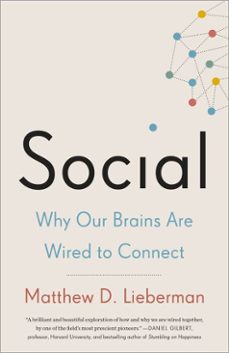
We are profoundly social creatures--more than we know. In Social, renowned psychologist Matthew Lieberman explores groundbreaking research in social neuroscience revealing that our need to connect with other people is even more fundamental, more basic, than our need for food or shelter. Because of this, our brain uses its spare time to learn about the social world--other people and our relation to them. It is believed that we must commit 10,000 hours to master a skill. According to Lieberman, each of us has spent 10,000 hours learning to make sense of people and groups by the time we are ten. Social argues that our need to reach out to and connect with others is a primary driver behind our behavior. We believe that pain and pleasure alone guide our actions. Yet, new research using fMRI--including a great deal of original research conducted by Lieberman and his UCLA lab--shows that our brains react to social pain and pleasure in much the same way as they do to physical pain and pleasure. Fortunately, the brain has evolved sophisticated mechanisms for securing our place in the social world. We have a unique ability to read other peoples minds, to figure out their hopes, fears, and motivations, allowing us to effectively coordinate our lives with one another. And our most private sense of who we are is intimately linked to the important people and groups in our lives. This wiring often leads us to restrain our selfish impulses for the greater good. These mechanisms lead to behavior that might seem irrational, but is really just the result of our deep social wiring and necessary for our success as a species. Based on the latest cutting edge research, the findings in Social have important real-world implications. Our schools and businesses, for example, attempt to minimalize social distractions. But this is exactly the wrong thing to do to encourage engagement and learning, and literally shuts down the social brain, leaving powerful neuro-cognitive resources untapped. The insights revealed in this pioneering book suggest ways to improve learning in schools, make the workplace more productive, and improve our overall well-being.
Ver más
eBook
OXFORD UNIVERSITY PRESS 9780198743811
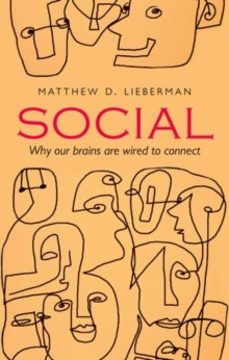
Why are we influenced by the behaviour of complete strangers Why does the brain register similar pleasure when I perceive something as fair or when I eat chocolate Why can we be so profoundly hurt by bereavement What are the evolutionary benefits of these traits The young discipline of social cognitive neuroscience has been exploring this fascinating interface between brain science and human behaviour since the late 1990s Now one of its founding pioneers Matthew D Lieberman presents the discoveries that he and fellow researchers have made Using fMRI scanning and a range of other techniques they have been able to see that the brain responds to social pain and pleasure the same way as physical pain and pleasure and that unbeknown to ourselves we are constantly mindreading other people so that we can fit in with them It is clear that our brains are designed respond to and be influenced by others For good evolutionary reasons he argues we are wired to be social The implications are numerous and profound Do we have to rethink what we understand by identity and free will How can managers improve the way their teams relate and perform Could we organize large social institutions in ways that would work far better And could there be whole new m
Ver más
Tapa blanda
Del 1 al 4 de 4