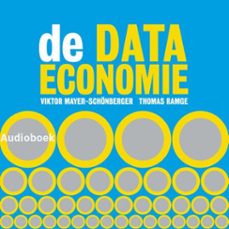
Markets have long been acknowledged to be a superior mechanism for managing resources but until the advent of big data, they largely functioned better in theory than in practice. Now, as ideal markets are within reach because of vastly greater access to information, we are on the verge of a major disruption. As data becomes a more valuable asset than cash, the rules for surviving and thriving are changing.Reinventing Capitalism is a provocative look at how data is reinventing markets and, in so doing, is ushering in an era where the firm is no longer predominant. With richer and more comprehensive information about human wants and needs, an economy powered by data offers the possibility of increased abundance, equality, and resilience. The data-driven markets that will thrive in this environment are far better than firms at organizing human endeavors, meaning that finance driven capitalism is being displaced by its more efficient, moresustainable, and more democratic disruptor: data capitalism.
La economía no volverá a ser como antesBlaBlaCar, Amazon, Uber, eBay, Airbnb... Las nuevas empresas solo manejan datos (sobre el producto, los usuarios, los vendedores) y de ese modo han cambiado nuestra forma de ver el transporte, el alojamiento, la comida o el consumo en general. En definitiva, han transformado el mercado. No es el dinero lo que las hace tan potentes, sino la explotacion a nivel masivo de grandes cantidades de datos. Aplicados a otros sectores como el mercado laboral, las finanzas o la sanidad podrian provocar cambios de enorme calado en la sociedad. La digitalizacion del trabajo, la renta basica, la libertad de eleccion... son algunos de los retos que ya han surgido y suscitan dudas: ¿que papel tenemos en un mundo dominado por algoritmos? Este provocador ensayo plantea que el big data podria potenciar la riqueza, la equidad y la resiliencia en la economia, pero para ello habra que conocer las nuevas reglas del capitalismo de datos.
La economía no volverá a ser como antes.BlaBlaCar, Amazon, Uber, eBay, Airbnb... Las nuevas empresas solo manejan datos (sobre el producto, los usuarios, los vendedores) y de ese modo han cambiado nuestra forma de ver el transporte, el alojamiento, la comida o el consumo en general. En definitiva, han transformado el mercado. No es el dinero lo que las hace tan potentes, sino la explotacion a nivel masivo de grandes cantidades de datos. Aplicados a otros sectores como el mercado laboral, las finanzas o la sanidad podrian provocar cambios de enorme calado en la sociedad. La digitalizacion del trabajo, la renta basica, la libertad de eleccion... son algunos de los retos que ya han surgido y suscitan dudas: ¿que papel tenemos en un mundo dominado por algoritmos? Este provocador ensayo plantea que el big data podria potenciar la riqueza, la equidad y la resiliencia en la economia, pero para ello habra que conocer las nuevas reglas del capitalismo de datos.
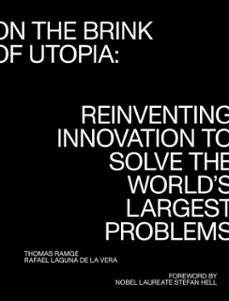
A new and coherent framework for fostering the breakthrough innovations that we urgently need to confront our collective future.We live in less innovative times than we think. Despite having made major technological advancements in a few areas, we are still left with enormous unsolved challenges. A radical shift in the culture of innovation is needed. On the Brink of Utopia, by authors Thomas Ramge and Rafael Laguna de la Vera, and with a foreword written by Nobel Laureate Stefan Hell, offers just thata new and coherent framework for fostering breakthrough innovations for human progress. In their Innovation Leap Paradigm, they present seven steps in seven chapters and answer three simple questions: What great challenges need to be tackled? Who makes tech leaps? And finally, what political, economic, and cultural environments foster radical innovation? The authors sketch out a future in which technology will solve real problems, anywhere from climate change and hunger to obesity and menstrual pain. They envision a future in which biotechnologists work from a platform that enables them to develop effective drugs within months for any emerging virus, where green energy will be too cheap to meter and aerial carbon can be transmuted into a valuable commodity at scale. Offering a new perspective on innovation that centers not just American readers but also readers from all over the world, On the Brink of Utopia is a hopeful and visionary book that reimagines the roles of innovators, citizens, governments, and financial markets to foster innovation leaps that maximize the well-being of the greatest number of people.